
Introduction
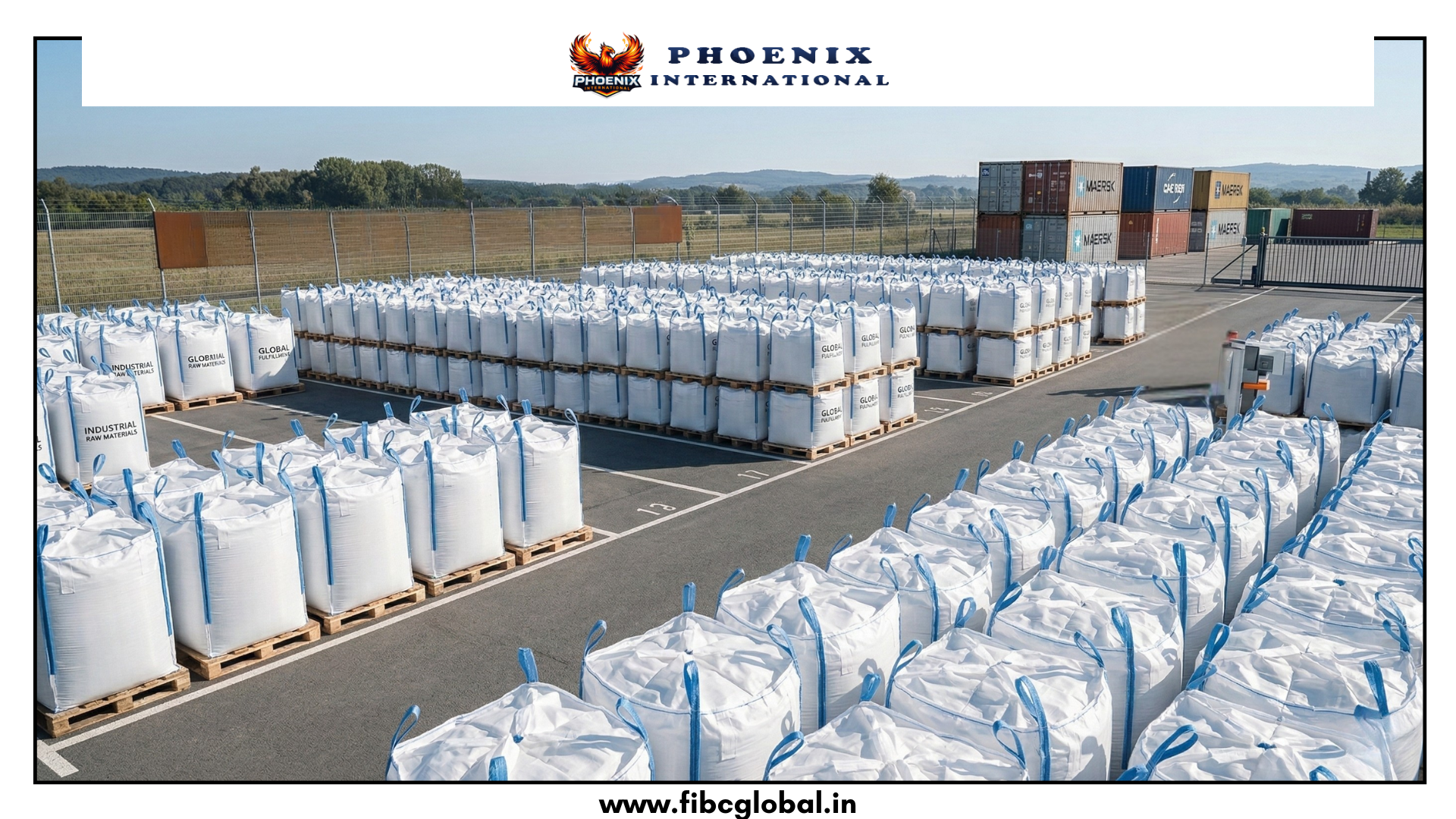
Flexible Intermediate Bulk Containers, commonly called jumbo bags or bulk bags, are large industrial containers used for storing and transporting dry materials. Manufacturers produce these containers from strong woven polypropylene (PP) fabric, which provides durability and flexibility.
Because industries often need safe bulk transportation, these containers have become a popular packaging solution. For example, agriculture, construction, chemicals, and food processing industries frequently use them.
Understanding FIBC Bags
These industrial containers are designed to carry 500 kg to 2000 kg of materials. In addition, lifting loops allow workers to handle them easily with forklifts or cranes.
As a result, companies can move bulk materials safely while reducing packaging costs.
Types of FIBC Bags
U-Panel Design
Manufacturers create this design using three fabric panels that form a U shape. Consequently, the bag gains strong structure and improved stability during transportation.
Circular Design
Circular bulk bags are produced using circular weaving machines. Therefore, they contain fewer seams and provide better durability.
Baffle Design
Baffle bags keep a square shape when filled. Because of this structure, companies can stack them efficiently and maximize warehouse space.
Ventilated Design
Ventilated bags allow air circulation. For this reason, farmers commonly use them for products such as potatoes, onions, and firewood.
Conductive Type C Bags
These bags help prevent static electricity. Therefore, they are suitable for industries handling flammable powders or chemicals.
Common Uses
Agriculture
Farmers rely on these containers to transport and store:
- Seeds
- Fertilizers
- Animal feed
- Grains
Construction
Construction companies use bulk containers to handle materials like:
- Sand
- Cement
- Gravel
- Minerals
Chemical Industry
Many chemical companies transport materials such as:
- Plastic granules
- Powder chemicals
- Industrial minerals
Food Processing
Food-grade containers help transport products including:
- Sugar
- Rice
- Flour
- Salt
Benefits of Using Bulk Bags
High Capacity
These containers hold large quantities of material in a single unit. As a result, businesses reduce handling time.
Cost Efficiency
Companies save money on packaging because one large container replaces many small bags.
Easy Handling
Workers can lift and transport the bags quickly using forklifts or cranes.
Reusability
Many containers can be reused several times. Therefore, businesses reduce waste and improve sustainability.
Custom Design Options
Manufacturers offer various customization features such as:
Multiple loop configurations
Different top openings
Discharge spouts
Inner liners
Choosing the Right Manufacturer
Selecting the right supplier plays an important role in packaging quality. A reliable manufacturer provides:
- High-quality polypropylene fabric
- Strong stitching and durability
- Custom manufacturing options
- Compliance with international standards
- Reliable global supply
Therefore, businesses should always work with experienced suppliers who understand bulk packaging requirements
Conclusion
Bulk packaging containers have become essential for industries that handle large quantities of materials. Their strength, flexibility, and cost efficiency make them ideal for modern logistics.
Because industries continue to expand globally, demand for durable bulk packaging solutions will also grow in the coming years.
